Owning a car is a significant investment, and taking care of it is crucial to ensure its longevity and performance. While major repairs should be left to certified professionals, many routine maintenance tasks and minor fixes can be handled by the car owner. Having the right set of tools not only saves you money but also gives you a deeper understanding of your vehicle. This comprehensive guide is designed for every driver, from the beginner to the seasoned enthusiast, outlining the essential tools you need to perform basic car maintenance and handle common roadside emergencies.
A well-stocked toolbox is the first step toward self-reliance on the road. It empowers you to perform simple tasks like checking your tire pressure, changing a flat tire, or even performing a basic oil change. By being proactive with your car’s maintenance, you can prevent small issues from becoming major, costly problems. This guide will walk you through the must-have tools for your garage and trunk, their uses, and why they are indispensable for every car owner.
Tier 1: The Roadside Emergency Kit
This is the absolute minimum every driver should carry in their car at all times. These tools are crucial for handling unexpected situations and ensuring you can get back on the road safely.
Tire Pressure Gauge: This small device is arguably the most important tool in your kit. Proper tire inflation is critical for fuel efficiency, tire longevity, and most importantly, safety. Checking your tire pressure weekly with a reliable gauge can prevent blowouts and improve your car’s handling. Both analog and digital gauges are available, but a good quality digital one offers precise readings.
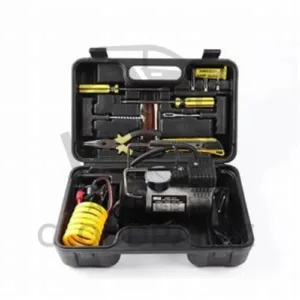
Tire Repair Kit: For a small puncture, a tire repair kit can be a temporary lifesaver, allowing you to seal the hole and get to the nearest service station. These kits typically include a reamer, a plug insertion tool, and tire plugs. It’s a quick and simple solution that can save you from a long wait for a tow truck.
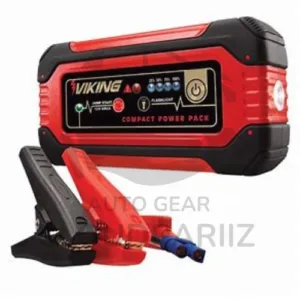
Jumper Cables: A dead battery is one of the most common reasons for a car to not start. A quality set of jumper cables allows you to get a jump start from another vehicle. It’s essential to know how to use them correctly to avoid damaging your car’s electrical system.
Lug Wrench and Jack: While most cars come with a jack and lug wrench, they can sometimes be of subpar quality. A sturdy cross-style lug wrench provides more leverage than a standard one, making it easier to loosen stubborn lug nuts. A hydraulic jack can make lifting your car much easier and safer than a standard scissor jack.
Flashlight: Whether you’re changing a tire at night or inspecting your engine bay, a reliable flashlight or headlamp is crucial. It allows you to see what you are doing and can be used as a signal in an emergency.
Tier 2: The Home Maintenance Kit
Once you’ve mastered the basics of emergency preparedness, it’s time to invest in tools that allow you to perform routine maintenance at home. This can save you money on labor costs and gives you control over your car’s health.
Socket Wrench Set: A comprehensive set of sockets and wrenches is the foundation of any mechanic’s toolbox. They are used for a wide range of tasks, from tightening a loose bolt to removing and replacing parts. Look for a set that includes both metric and standard sizes to cover all your car’s needs.
Screwdriver Set: A variety of flathead and Phillips head screwdrivers is essential for everything from removing interior trim panels to tightening screws in your car’s engine bay. A set with magnetic tips is particularly useful for holding onto small screws.
Oil Filter Wrench: Changing your oil is one of the most fundamental car maintenance tasks. An oil filter wrench is a specialized tool that provides the necessary grip and leverage to remove the old oil filter.
Torque Wrench: A torque wrench is a precision tool that allows you to tighten bolts to a specific tightness, or “torque specification.” This is crucial for tasks like changing lug nuts or spark plugs, as over- or under-tightening can lead to damage.
Jack Stands: Never, under any circumstances, work under a car that is only supported by a jack. Jack stands are an essential safety tool that provides a secure, stable support for your vehicle.
Tier 3: The Advanced Enthusiast’s Kit
For those who want to tackle more complex repairs and upgrades, these tools will take your DIY skills to the next level.
Multimeter: A multimeter is an electrical tool that measures voltage, current, and resistance. It is an invaluable tool for diagnosing electrical problems, such as a dead battery or a faulty fuse.
Diagnostic Scanner: Modern cars are controlled by a complex network of computers. A diagnostic scanner, or “code reader,” plugs into your car’s On-Board Diagnostics (OBD) port and can read error codes from your car’s computer. This can help you pinpoint the source of a problem and save you from a costly visit to a mechanic.
Pliers and Vise Grips: A variety of pliers and vise grips are useful for holding, gripping, and twisting a wide range of parts.
Pry Bars and Trim Removal Tools: These tools are essential for safely removing interior trim panels and other parts without damaging them.
In conclusion, having the right set of car maintenance tools is a simple but effective way to take control of your vehicle’s health and longevity. By starting with the basics and gradually building your collection, you can save money, learn a new skill, and gain the confidence to handle any situation on the road.
Leave a Reply